
What is it?
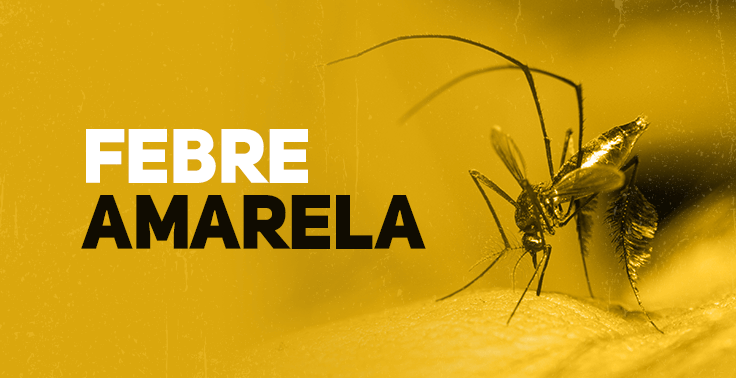
Yellow fever is an acute febrile infectious disease, caused by a virus transmitted by mosquito vectors, and has two transmission cycles: wild (when there is transmission in rural or forest areas) and urban. The virus is transmitted through the bite of infected mosquitoes and there is no direct transmission from person to person. The disease is of epidemiological importance due to its clinical severity and potential for dissemination in urban areas infested by the Aedes aegypti mosquito.
Streaming
The yellow fever virus is transmitted through the bites of infected mosquitoes. The disease is not passed from person to person. The vaccine is the main tool for preventing and controlling the disease. There are two different epidemiological cycles of transmission, wild and urban. But the disease has the same characteristics from an etiological, clinical, immunological and pathophysiological point of view. In the sylvatic cycle of yellow fever, non-human primates (monkeys) are the main hosts and amplifiers of the virus and the vectors are mosquitoes with strictly sylvatic habits, with the genera Haemagogus and Sabethes being the most important in Latin America. In this cycle, man participates as an accidental host when entering forest areas. In the urban cycle, man is the only host with epidemiological importance and transmission occurs from infected urban vectors (Aedes aegypti). It is important to inform that the disease cycle is currently wild, with transmission via a vector (mosquitoes of the genera Haemagogus and Sabethes in the wild). The last case of urban yellow fever was registered in Brazil in 1942, and all confirmed cases since then result from the sylvatic cycle of transmission.
The person presents initial symptoms 3 to 6 days after being infected.
Treatment
Treatment is only symptomatic, with careful assistance to the patient who, under hospitalization, must remain at rest, with replacement of fluids and blood loss, when indicated. In severe forms, the patient must be treated in the Intensive Care Unit (ICU), to reduce complications and the risk of death. Salicylate medications should be avoided (AAS and Aspirin), as their use may favor the appearance of hemorrhagic manifestations. The doctor must be alert to any indications of a worsening of the clinical picture.
Symptoms
The initial symptoms of yellow fever include the sudden onset of fever, chills, severe headache, back pain, general body aches, nausea and vomiting, fatigue and weakness. Most people improve after these initial symptoms. However, about 15% experience a brief period of hours to a day without symptoms and then develop a more severe form of the disease.
In severe cases, the person may develop high fever, jaundice (yellowing of the skin and whites of the eyes), hemorrhage (especially from the gastrointestinal tract) and, eventually, shock and multiple organ failure. About 20% to 50% of people who develop severe illness may die.
After identifying some of these symptoms, see a doctor at the nearest health unit and inform them of any travel to risk areas in the 15 days before the onset of symptoms, and if you have observed monkey deaths near the places you visited. Also inform if you took the yellow fever vaccine, and the date.
Prevention
The Unified Health System offers yellow fever vaccination to the population. Since April 2017, Brazil has adopted a vaccination schedule of just one dose for a lifetime, a measure that is in accordance with the recommendations of the World Health Organization (WHO). Every person who lives in Areas with Yellow Fever Vaccine Recommendation and people who are going to travel to these areas must be immunized. Vaccination for yellow fever is offered routinely in municipalities with vaccination recommendations in the following states: Acre, Amazonas, Amapá, Pará, Rondônia, Roraima, Tocantins, Distrito Federal, Goiás, Mato Grosso do Sul, Mato Grosso, Bahia, Maranhão, Piauí, Minas Gerais, São Paulo, Rio de Janeiro, Paraná, Rio Grande do Sul and Santa Catarina. In addition to the recommended areas, the population of Espírito Santo is also being vaccinated at this time.
Risk areas
Places with forests and rivers, where the virus and its hosts and vectors occur naturally, are considered risk areas. In Brazil, however, vaccination is recommended for people over 9 months of age according to vaccination guidelines and who reside in or move to the municipalities that make up the Vaccine Recommended Area.
For more information see the website http://portalms.saude.gov.br/saude-de-a-z/febre-amarela-sintomas-transmissao-e-prevencao
